

The Spanish Wine Masterclass
Step into the heart of Spanish wine culture with a vibrant tasting of native grapes, regional styles and perfectly paired Spanish-style tapas.
Level
Beginners
Duration
2.5 hours
Location
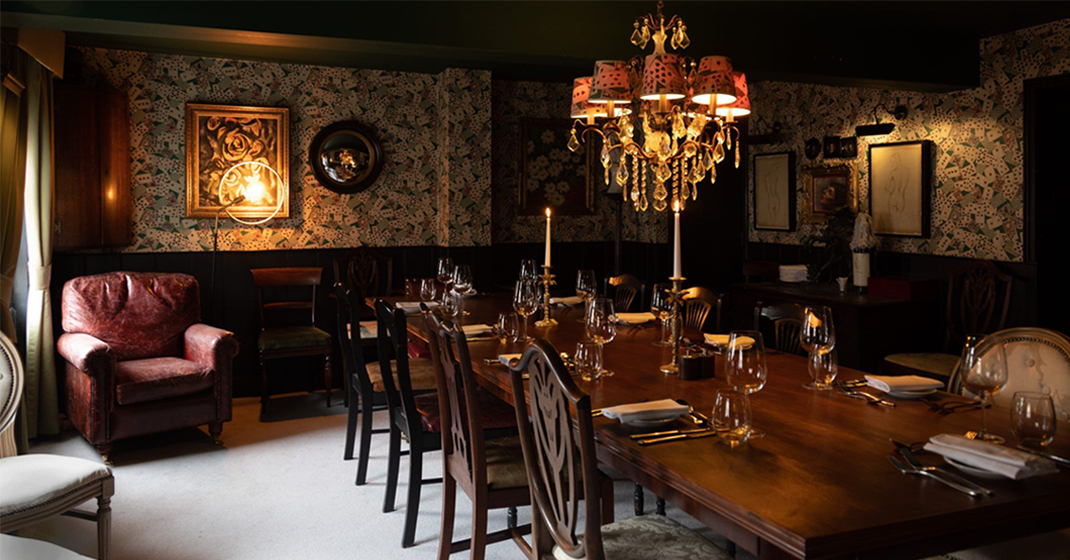
Duke of Sussex, Waterloo
Menu
Spanish Tapas & Wine Matching
Price
From £169 per person
Read our reviews on Google
Welcome to The Spanish Wine Masterclass
Join The London Wine Academy as we guide you through Spain’s key wine regions — from Jerez, known for its diverse sherry styles, to the classic reds of Rioja and beyond.
Spain is one of the most exciting wine countries in the world: expressive, generous and full of character. In this lively masterclass, you’ll explore wines from regions such as Ribera del Duero, Priorat, Rías Baixas and Jerez, each offering a distinctive style shaped by native grapes and varied landscapes.
Guided by expert tutors, you’ll discover how Spain’s grape varieties, climates and winemaking traditions come together to create wines with real personality — from bright, Atlantic-influenced whites to structured, flavourful reds and the iconic styles of Sherry.
Throughout the session, you’ll enjoy Spanish-style tapas chosen to complement the wines, showcasing how beautifully Spanish wine and food work together.
A lively, informative session that helps you understand Spain’s wine regions and styles in a way that feels clear, accessible and genuinely useful.
The Spanish Wine Masterclass is a 2.5-hour immersive wine experience at The London Wine Academy in central London, priced at £169 per person. Established in 1993 and rated 4.6 on Google, the Academy has welcomed over 50,000 students to its independent, experience-led courses. Part of the Voyager Masterclass series — each one designed as a journey into the heart of a wine region — this session takes you through Spain’s key wine regions, from Rioja and Ribera del Duero to Rías Baixas and Jerez. You’ll taste seven or eight wines, exploring native grape varieties, regional styles and the traditions behind them. A 4-course Spanish-style tapas menu is included. All tutors hold a WSET Diploma, Master of Wine qualification or Master Sommelier certification. It’s a lively, immersive session that makes Spain’s wine landscape feel clear and accessible — and shows why Spanish wine and food are such a winning match.


What will I learn during the Course?
In this masterclass, you’ll get a clear, practical introduction to Spain’s key wine regions, grapes and styles. You’ll learn how the DO system works, why different regions produce such distinctive wines, and what to look for when choosing Spanish bottles.
You’ll taste wines from areas such as Rioja, Ribera del Duero, Rías Baixas and Jerez, building a solid understanding of how grape variety, climate and winemaking shape flavour. You’ll also explore simple, effective tapas-and-wine pairings you can use at home or when eating out.
This Spanish Wine Masterclass includes:
- The DO system — explained simply
- Key regions and native grape varieties
- Traditional vs modern winemaking
- Practical food and wine matching
- How to spot quality and value across Spain
It’s a lively, flavour-focused session that reveals how Spain’s wines and tapas traditions connect — and why they’re such a winning match.
Spanish Wine Masterclass Agenda


Start times may vary; please check your chosen date for the correct schedule. Please arrive 5–10 minutes early to settle in before the class begins.
Your Spanish Wine Masterclass begins with a short welcome from your London Wine Academy tutor before you move into the first tasting. You’ll be part of a small, sociable group of guests who’ve set aside time to learn, explore and enjoy Spanish wine together.
Across the session, you’ll taste seven or eight wines, each paired with Spanish-style tapas chosen to highlight regional styles and flavours. You’ll explore Rioja, Rueda, Priorat, Ribera del Duero, Sherry country and more — comparing key grape varieties, regional traditions and distinctive winemaking approaches.
By the end, you’ll have a clearer understanding of Spain’s wine landscape, stronger tasting confidence, and a few new favourite styles to enjoy at home or on your travels.
Frequently Asked Questions
What Spanish wine regions will be covered in this masterclass?
This masterclass covers Spain’s most important wine regions, including Rioja, Ribera del Duero, Rías Baixas, Priorat, Rueda and Jerez. You’ll explore the key grape varieties, regional styles and winemaking traditions that make each area distinctive.
What is the difference between Rioja Crianza, Reserva and Gran Reserva?
These terms refer to the minimum amount of time a wine has been aged in oak and bottle before release — and they’re legally defined.
A Crianza must undergo a minimum two-year ageing process, with at least one year in 225-litre oak barrels.
A Reserva requires a minimum of three years between oak and bottle, with at least one year in barrel and six months in bottle.
And a Gran Reserva requires five years of ageing in total, with a minimum of two years in oak and two years in bottle.
What is the difference between Rioja and Ribera del Duero?
Both regions produce Tempranillo-based reds and share the same Crianza, Reserva and Gran Reserva ageing classifications, but Ribera del Duero typically has a deeper colour, higher tannins, a fuller body and more intense black fruit flavours, while Rioja tends to have abundant red fruit aromas and flavours, complemented by notes of vanilla spice.
Rioja benefits from a more moderate continental climate which allows grapes to mature gradually, while Ribera sits at higher average altitudes with sharper temperature differences between night and day and hotter summers, so grapes tend to ripen faster.
What does DO and DOCa mean on a Spanish wine label?
DO — Denominación de Origen — is the foundation of Spain’s quality wine system, with each region governed by a regulatory council that sets the boundaries, permitted grape varieties, yields and production standards.
DOCa — Denominación de Origen Calificada — sits above DO and is reserved for regions that have maintained the highest quality requirements over a sustained period; currently only Rioja and Priorat hold this status in Spain.
What is Sherry and what styles will be covered?
Sherry is a fortified wine produced from white grapes — primarily the Palomino variety — grown around the city of Jerez de la Frontera in Andalusia, and it ranges from the palest, driest styles to darker, richer, oxidatively aged wines.
In the masterclass, you can expect to encounter styles including the bone-dry Fino and Manzanilla, the amber-hued Amontillado, and the rich, nutty Oloroso — all made using a fractional ageing and blending process called the solera system.
What food is included and how does it tie into the masterclass?
Throughout the session, you’ll enjoy a 4-course Spanish-style tapas menu chosen to complement the wines , showcasing how beautifully Spanish wine and food work together.
Where does the Spanish Wine Masterclass take place?
The Spanish Wine Masterclass takes place at our partner venues in London and Mayfair. Venues vary depending on the date of the experience – confirmed venues are available on our calendar.
What is Cava and how does it compare to Champagne?
Cava is a sparkling wine produced primarily in Spain’s Catalonia region using the traditional method — the same second-fermentation-in-bottle technique used to make Champagne — but made from native Spanish grapes, principally Macabeo, Xarel·lo and Parellada.
While both wines share the same production method, the grape varieties, climates and terroirs are quite different: Champagne is produced in the cool, chalk-rich soils of northeastern France, while Cava grows in a warmer Mediterranean environment , giving it a fresher, more approachable character — and, it should be said, a very attractive price point.
What grape varieties are used in Spanish wine?
Spain is home to over 600 native grape varieties, though a handful of key ones appear most widely.
Tempranillo is Spain’s most celebrated red variety, producing wines with aromas of berries, plum, tobacco, vanilla and spice, and it forms the backbone of wines from Rioja, Ribera del Duero and beyond.
For whites, Albariño from Rías Baixas produces dry, aromatic wines with citrus and peach character and bright acidity while Verdejo from Rueda delivers crisp, herb-tinged freshness — and Palomino is the key grape behind the extraordinary world of Sherry.
The Punch Bowl
