

Your French wine guide — classification, terroir, vintage and what makes each region distinctive
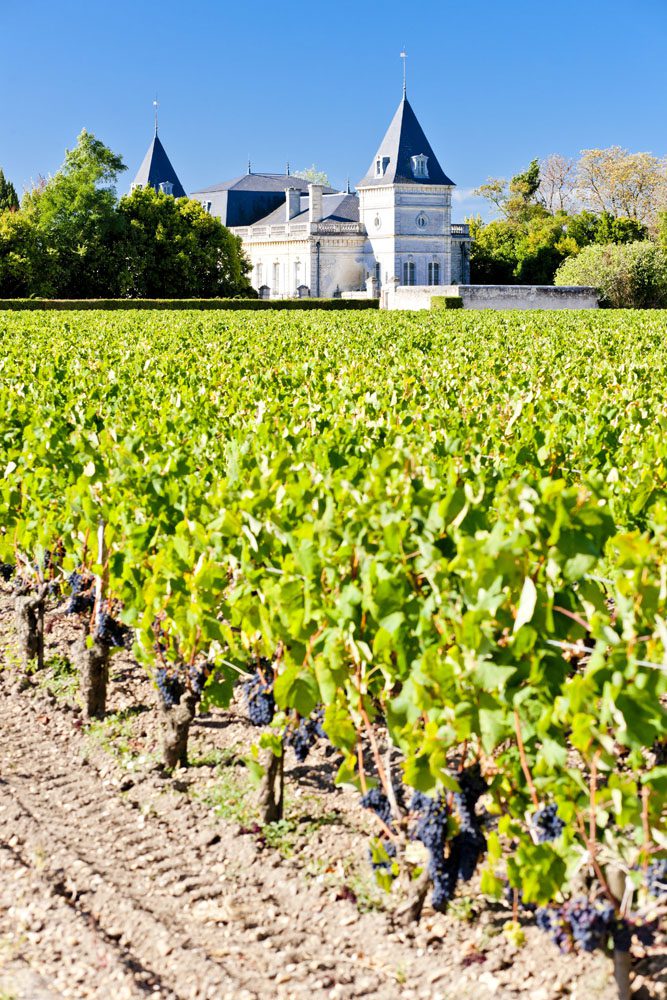
France is easier to understand once you stop reading the label as a brand statement and start reading it as a map. This is why French wine is taught through region, appellation, site and classification. In practical terms, that means Bordeaux, Burgundy, Champagne and Alsace all ask the drinker to understand place before grape. Once that structure is clear, the labels become far less intimidating.
How to read a French wine label
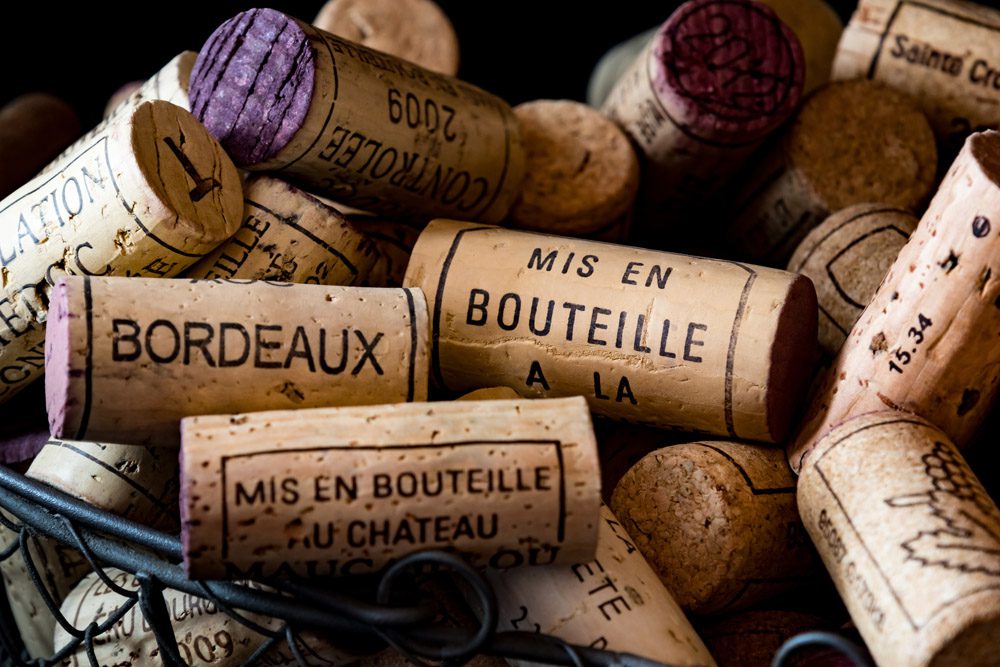
A French label usually tells you five things at once: the place, the producer, the vintage, the legal appellation, and sometimes a quality or classification term. If you see Pauillac, Meursault, Sancerre or Chablis, the region is already doing a great deal of explanatory work. French wine is therefore not random at all; it is just coded differently from the simpler grape-first labels many people know from the New World.
For students, the key is to decode the label in the right order. First ask where it is from. Then ask which grapes are usually grown there. Then ask whether the label is pointing to a broad regional appellation, a village, a named vineyard, or a classification. That framework will make the rest of this guide much easier to follow.
Bordeaux: blends, classifications and the broader map
Grape varieties: Merlot, Cabernet Sauvignon, Cabernet Franc, Petit Verdot, Malbec and Carménère for reds; Sauvignon Blanc, Sémillon, Muscadelle and Sauvignon Gris for whites.
Bordeaux is where most people start any French wine guide, and where many drinkers first encounter the French obsession with classification. It is also the region most often oversimplified. Left Bank and Right Bank matter, but they are only the starting point. Bordeaux also has several ranking systems, several major stylistic families, and many important areas beyond the famous names of the Médoc, Saint-Émilion and Pomerol.
How Bordeaux is built
The broad divide remains useful in any French wine guide. On the Left Bank, especially in the Médoc and Graves, gravel soils favour Cabernet Sauvignon and help produce firmer, more structured wines. On the Right Bank, clay and limestone favour Merlot and Cabernet Franc, often giving wines with more plush fruit and a rounder mid-palate. Entre-deux-Mers sits between the Garonne and Dordogne and is especially associated with fresh dry white wine. Bordeaux is therefore not one flavour profile but a collection of different terroirs and traditions.
The 1855 Classification
The best-known Bordeaux hierarchy is the 1855 Classification, created for the Paris Universal Exhibition at the request of Napoleon III. For the red wines, the ranking established five growth levels: Premier Cru, Deuxième Cru, Troisième Cru, Quatrième Cru and Cinquième Cru. It remains one of the most famous classification systems in the wine world, but it covers only part of Bordeaux and should never be mistaken for a complete guide to the whole region.
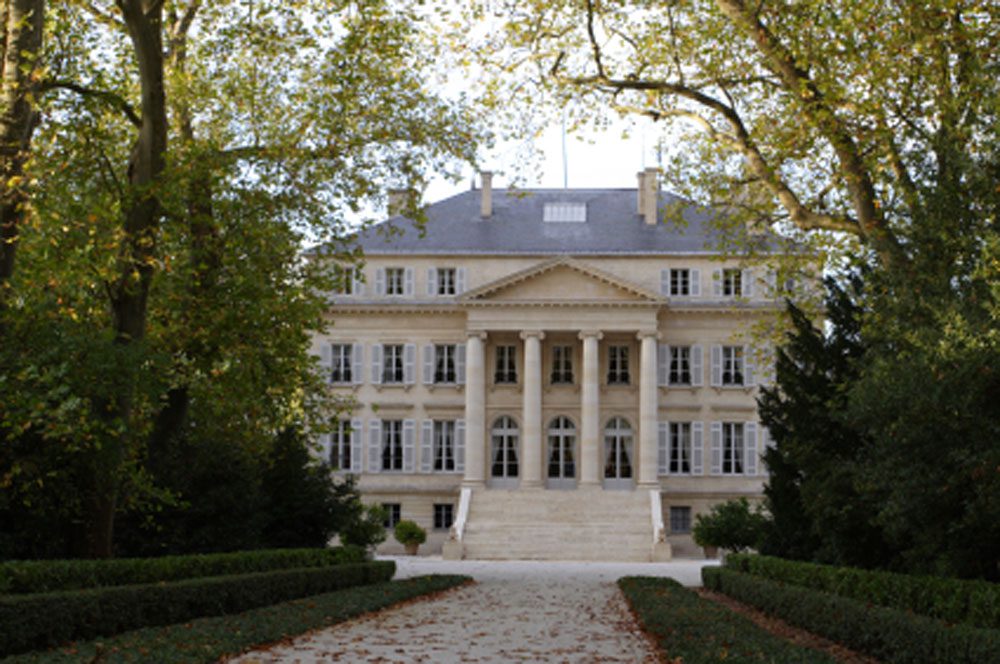
The First Growths are Château Lafite Rothschild, Château Latour, Château Margaux, Château Haut-Brion and Château Mouton Rothschild. A key accuracy point is that Mouton Rothschild was promoted to First Growth in 1973; it was not originally placed in that rank in 1855.
The Second Growths are Château Rauzan-Ségla, Château Rauzan-Gassies, Château Léoville Las Cases, Château Léoville Poyferré, Château Léoville Barton, Château Durfort-Vivens, Château Gruaud Larose, Château Lascombes, Château Brane-Cantenac, Château Pichon Longueville Baron, Château Pichon Comtesse de Lalande, Château Ducru-Beaucaillou, Château Cos d’Estournel and Château Montrose.
Bordeaux also has other systems that serious students should know. Saint-Émilion has its own classification, revised periodically, with the levels Premiers Grands Crus Classés A, Premiers Grands Crus Classés and Grands Crus Classés. Graves has its own classification. Crus Bourgeois is a separate Médoc classification, not a sub-tier of the 1855 ranking, and is now organised in the levels Cru Bourgeois, Cru Bourgeois Supérieur and Cru Bourgeois Exceptionnel.
Beyond the Médoc: the wider Bordeaux picture
Blaye and Bourg deserve more space in teaching than they usually receive. They sit north of the city and can offer extremely useful value, particularly for Merlot-led reds and more approachable Right Bank-influenced styles. Entre-deux-Mers matters not only for dry white wine but also because it helps explain the geography of the wider Bordeaux region, especially when teaching the slopes overlooking the Garonne.
The Premières Côtes de Bordeaux region
The Premières Côtes de Bordeaux region is not a footnote. Officially it presents itself as one region with 8 AOCs, spread across hills overlooking the Garonne, with clay-limestone, gravel and silt soils and a river-tempered climate. The 8 AOCs shown by the region are: Bordeaux, Premières Côtes de Bordeaux, Cadillac, Loupiac, Sainte-Croix-du-Mont, Cadillac Côtes de Bordeaux, Côtes de Bordeaux Saint-Macaire and Côtes de Bordeaux.
This matters because the region is not just about one style. Through Bordeaux AOC it can produce red, sweet white, dry white, rosé, Crémant and Clairet. Cadillac Côtes de Bordeaux and Côtes de Bordeaux reinforce the red-wine story. Côtes de Bordeaux Saint-Macaire covers dry and sweet white wines. Cadillac, Loupiac, Sainte-Croix-du-Mont and the specific AOC Premières Côtes de Bordeaux focus attention on sweet whites from the right bank of the Garonne.
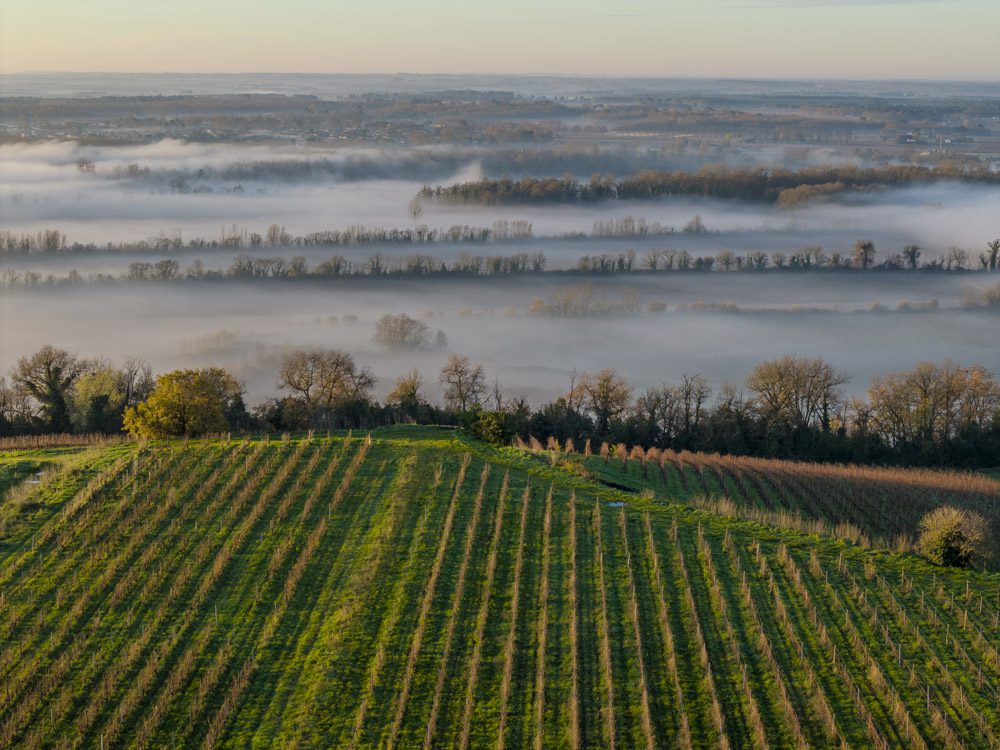
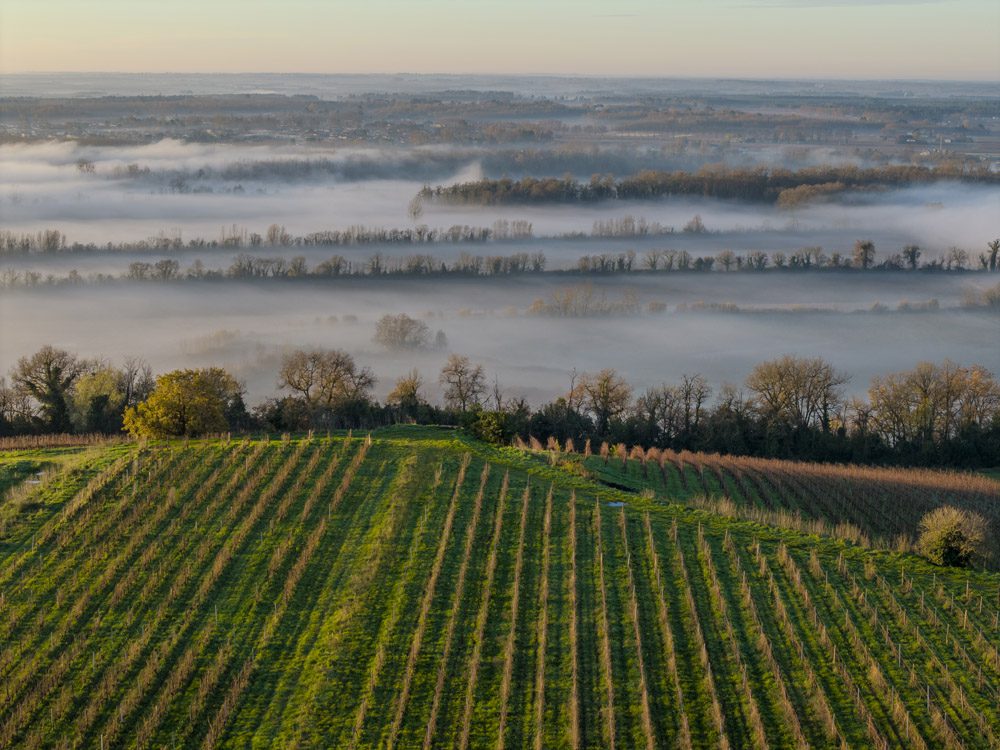
The specific AOC Premières Côtes de Bordeaux itself is presented by the regional body as sweet white only. The explanation is classic and important: morning mists rising from the Garonne, followed by the right amount of sunshine on the slopes, encourage Botrytis cinerea and allow the grapes to concentrate. That gives these wines their honeyed, apricot, citrus-peel and botrytised character.
Students should not underestimate the red wines here. Commercially, this is one of the most interesting value sectors in greater Bordeaux, and stylistically it gives a clearer picture of hillside Right Bank Bordeaux than many beginner guides allow. The sweet wines are also worth stressing properly: they can offer very strong value and deserve to be discussed alongside the better-known sweet-wine areas across the river, rather than being dismissed as an afterthought.
Vintage in Bordeaux
Bordeaux is one of the easiest regions in which to teach vintage variation because Atlantic weather can alter style dramatically. Flowering conditions, summer heat, rain pressure and harvest timing all matter. In modern terms, 2000, 2005, 2009, 2010, 2015, 2016, 2019 and 2020 are widely admired by the market, but the important lesson is not simply to memorise the years. It is to understand that Bordeaux can swing from classical and firm to ripe and opulent depending on the effect of the weather patterns during any given year.
French Wine Guide – Burgundy: hierarchy and the notion of terroir
Grape varieties: Chardonnay and Pinot Noir dominate; Aligoté and Gamay also matter, with regional and local importance.
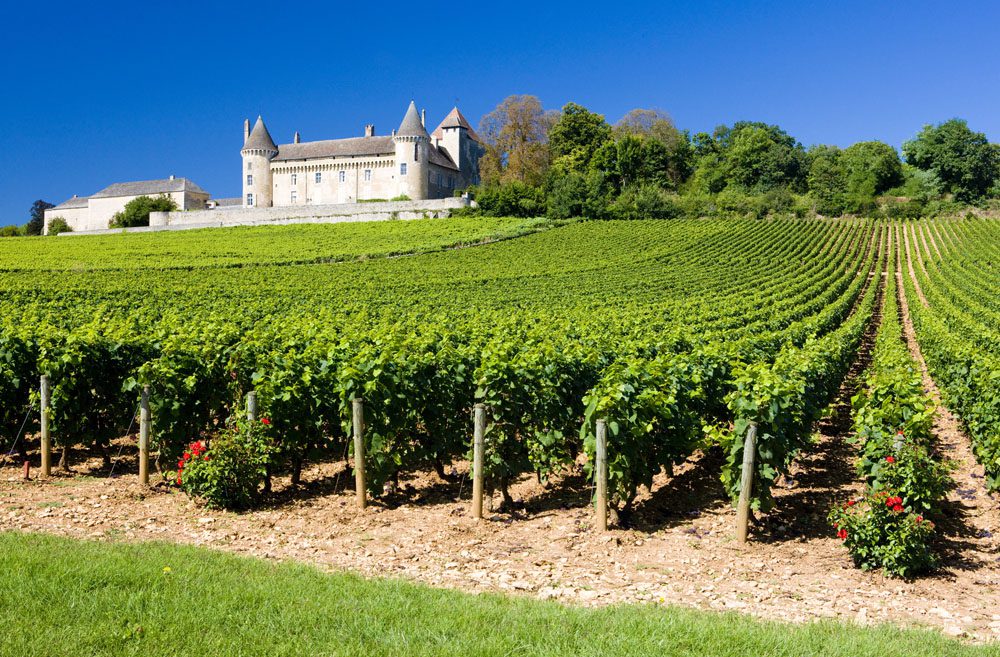
If Bordeaux teaches classification through estates and reputation, Burgundy — teaches classification through site. This is where students meet the idea that tiny differences in slope, exposure and soil can justify a different appellation name and a different level of prestige. Burgundy therefore rewards careful reading of the label more than almost any other French region.
The Burgundy classification ladder
This is where any French wine guide gets detailed. Officially Burgundy has 84 AOCs, organised through four broad levels: Regional appellations, Village appellations, Village Premier Cru appellations and Grand Cru appellations. This hierarchy is central to understanding both labels and pricing.
Regional appellations cover a broad area and offer the most flexible entry point. Examples include Bourgogne Blanc, Bourgogne Rouge, Bourgogne Aligoté, Coteaux Bourguignons and Crémant de Bourgogne. These are often the best way to taste the regional signature without paying village-level prices.
Village appellations take the name of a commune and already indicate a more specific place. Good examples include Gevrey-Chambertin, Meursault, Puligny-Montrachet, Pommard, Mercurey and Chablis. These wines tell you where in Burgundy the grapes were grown and begin to express a more distinct local identity.
Premier Cru wines come from precisely defined Climats within certain Village appellations. On the label you will normally see the village name followed by Premier Cru and then the name of the site, for example Chablis Premier Cru Montée de Tonnerre or Meursault Premier Cru Les Perrières. Burgundy officially notes that Premier Cru wines are additional geographical denominations within certain Village appellations, not a separate free-standing village category.
Grand Cru is the highest level. Here the village name usually disappears and the bottle is labelled simply by the exceptional Climat itself, such as Montrachet, Corton, Romanée-Saint-Vivant or Clos de Tart. Burgundy officially counts 33 Grand Cru appellations. The region also notes around 640 Premier Cru Climats, which gives you a sense of just how fine-grained Burgundy classification really is.
Why Burgundy feels so complex
Burgundy can feel difficult because the hierarchy is precise rather than broad-brush. A Bourgogne Rouge, a Gevrey-Chambertin, a Gevrey-Chambertin Premier Cru and a Clos de Bèze Grand Cru are not simply more expensive versions of the same thing. They are different levels of origin and specificity. This is also why the concept of terroir matters so much: Burgundy is effectively teaching you to taste geography.
Vintage in Burgundy
Vintage matters hugely in Burgundy because Chardonnay and Pinot Noir are sensitive grapes and because many of the best sites are interpreted with relatively little masking. Bourgogne wines nearly always carry the vintage on the label, and different years can alter ripeness, tension, acid balance and tannin shape very clearly. Widely admired modern vintages often include 2005, 2009, 2010, 2015, 2019, 2020 and 2022, while 2020 is described by the Bourgogne wine board as both exceptional and classic in style.
French Wine Guide – Champagne: villages, crus and the art of blending
Grape varieties: Pinot Noir, Pinot Meunier and Chardonnay form the classic trio, with Pinot Noir and Chardonnay especially important in many of the best-known villages.
Champagne is classified differently from Bordeaux and Burgundy. It is not built around château rankings or a Burgundian ladder of village, premier cru and grand cru vineyard sites in the same sense. Instead, one of the traditional ways of reading quality in Champagne has been through village status, historically linked to the Échelle des Crus.
Champagne classification in practice
The terms Grand Cru and Premier Cru in Champagne are traditionally tied to villages rather than to individual estates. This is why a village such as Aÿ-Champagne, Ambonnay, Bouzy, Mailly-Champagne, Oger or Le Mesnil-sur-Oger carries immediate prestige. Likewise, a village such as Rilly-la-Montagne can be described as Premier Cru. In teaching terms, this means Champagne asks you to think in terms of village reputation, sub-region and blend rather than copying the Bordeaux or Burgundy models.
This village-based shorthand is useful because Champagne is a region of many small plots and many growers. The quality of the final wine also depends heavily on blending across grape varieties, villages, reserve wines and, in many cases, different years. That is why non-vintage Champagne is so important: it is the house signature. Vintage Champagne, by contrast, is made from a single year and is normally declared only when the harvest is considered especially strong.
Champagne sub-regions and style
Montagne de Reims is especially important for Pinot Noir, Côte des Blancs for Chardonnay, Vallée de la Marne for Meunier, and Côte des Bar for increasingly distinctive grower Champagnes. The classification discussion therefore makes more sense when it is tied to geography: Grand Cru and Premier Cru villages are not abstract honours but places with very strong stylistic identities.

Loire Valley: range, freshness and regional clarity
Grape varieties: Sauvignon Blanc, Chenin Blanc, Melon Blanc, Cabernet Franc, Cabernet Sauvignon, Gamay, Grolleau, Pineau d’Aunis and Côt all play important roles.
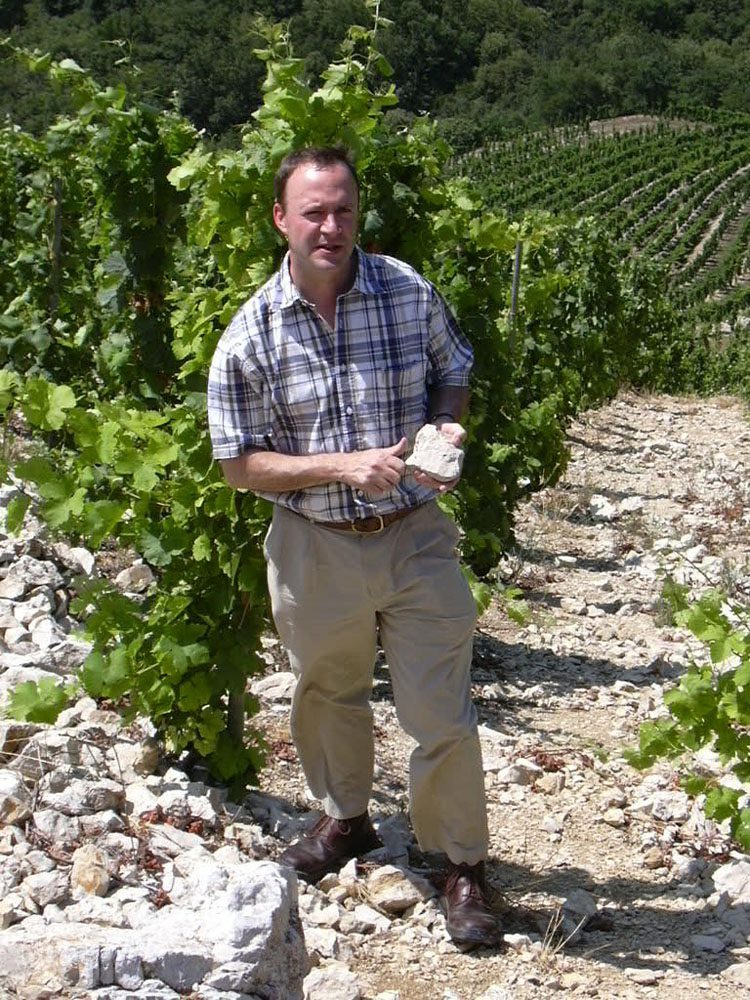
The Loire is one of France’s best teaching regions — because it links place and grape very clearly. Muscadet points you towards Melon Blanc and Atlantic freshness. Sancerre and Pouilly-Fumé point you towards Sauvignon Blanc. Vouvray and many wines of Anjou and Saumur point you towards Chenin Blanc. Chinon and Bourgueil point you towards Cabernet Franc. It is one of the easiest regions in France for students to decode once they understand the map.
The region also shows how climate shifts along a river valley. The far west is more oceanic, while the eastern reaches become more continental. That is why the Loire can produce razor-sharp dry whites, sparkling wines, sweet wines and savoury reds, all within the same broad region.
Rhône Valley: one river, two personalities
Grape varieties: Northern Rhône: Syrah, Viognier, Marsanne and Roussanne. Southern Rhône: Grenache, Syrah, Mourvèdre, Cinsault, Clairette, Bourboulenc and many others.
The Rhône — essential in any French wine guide — is best taught as a north-south contrast. In the north, Syrah is the defining red grape and appellations tend to be smaller and more singular in identity. In the south, Grenache-led blends dominate and the style broadens into warmer, fuller and often more Mediterranean expressions. This is one of the cleanest regional contrasts in French wine.
Northern Rhône appellations such as Côte-Rôtie, Hermitage, Cornas and Saint-Joseph are essential reference points for Syrah. In the south, Châteauneuf-du-Pape, Gigondas, Vacqueyras and Côtes du Rhône make more sense once students realise they are entering a blend-based system rather than a single-varietal one.
French Wine Guide – Alsace: aromatic clarity with a real classification structure
Grape varieties: Riesling, Gewurztraminer, Pinot Gris, Muscat, Pinot Blanc, Sylvaner and Pinot Noir are the principal grapes.
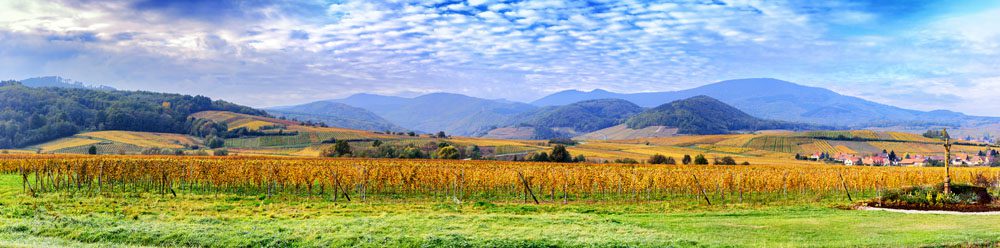
Alsace is often presented as the the easy French region because the grape variety usually appears on the label. That is true to a point, but it should not lead us to ignore its classification structure. Alsace is both accessible and serious, and its hierarchy deserves to be taught properly.
How Alsace is classified
For any French wine guide, the main Alsace appellation levels are AOC Alsace, AOC Alsace Grands Crus and AOC Crémant d’Alsace. AOC Alsace, officially recognised in 1962, accounts for the great majority of production and now also includes Communales and lieux-dits as more specific geographical references within the broader appellation. AOC Alsace Grands Crus covers 51 classified terroirs selected for strict geographical and climatic reasons. AOC Crémant d’Alsace is the region’s important traditional-method sparkling category.
Alsace also has two important sweetness classifications: Vendanges Tardives and Sélection de Grains Nobles. These are not separate appellations in themselves but classifications that can be added to Alsace or Alsace Grand Cru wines under strict conditions. Vendanges Tardives refers to late-harvest wines from very ripe grapes. Sélection de Grains Nobles is more selective still, based on carefully chosen noble-rot berries and associated with some of the region’s richest sweet wines.
This means Alsace classification is far more layered than people often assume. A simple bottle of Riesling may sit at AOC Alsace level; a more site-specific wine may come from one of the Grand Cru terroirs; a sweet wine may also carry Vendanges Tardives or SGN on the label. That is a real hierarchy, not just a varietal label.
Provence: rosé, but not only rosé
Grape varieties: Grenache, Cinsault, Mourvèdre, Syrah, Tibouren, Carignan and Rolle are central to the region’s identity.
Provence deserves more than the lazy stereotype of pale summer rosé. It is certainly the benchmark region for dry, pale, modern rosé, but the better wines are shaped by real terroir and can be very effective at the table. Provence also produces reds and whites, though rosé remains the dominant calling card.
Languedoc: scale, diversity and value
Grape varieties: Syrah, Grenache, Mourvèdre, Carignan and Cinsault dominate many reds; Grenache Blanc, Clairette, Bourboulenc, Viognier, Roussanne and Marsanne are important in whites.
Languedoc is often where students discover that France can be generous and Mediterranean without losing a sense of place. It is a very large region, so it is dangerous to talk about it as though it were a single style. Coastal influence, inland altitude, limestone, schist and heat all change the wines markedly. It is one of the most useful places to discuss value in France.
Beaujolais: Gamay with real terroir distinction
Grape varieties: Gamay is the key grape; Chardonnay plays a smaller but still meaningful role in the whites.
Beaujolais should not be reduced to Nouveau. The region is a serious study in how one grape can behave differently on different soils, especially the granitic and sandy sectors of the north. The crus show that Gamay can be floral, spicy, structured and ageworthy in the right sites, not simply easy and fruity.
Vintage: a French wine guide for students
Bordeaux and Burgundy are both regions where vintage matters enormously, but they teach it differently. Bordeaux often shows vintage through ripeness, tannin profile, structure and consistency across a wider blended region. Burgundy shows vintage more intimately, often through tension, fragrance, texture and the way a specific site reacts to a growing season.
In Bordeaux, many merchants and collectors still treat 2005, 2009, 2010, 2015, 2016, 2019 and 2020 as important modern benchmarks. In Burgundy, strong modern reference points often include 2005, 2009, 2010, 2015, 2019, 2020 and 2022. These lists are useful, but only up to a point. The deeper lesson is that neither region should be bought or taught purely by headline vintage alone: appellation, producer and style still matter enormously.
Your French wine guide: how to approach it as a student
For students, the most useful habit when using any French wine guide is to read from the top down: region, appellation, classification, producer, vintage. Once that becomes second nature, France stops looking intimidating and starts looking beautifully structured. That is why these regions still matter so much in wine education: they do not just produce famous wines, they teach you how to think.
Ready to taste your way through France?
Our Ultimate French Wine Masterclass brings these regions to life in a single session — guided by expert tutors, with French wines and food included. From £189 per person, in Central London.
View course details and book your place
Want to get more out of your wine course, why not read our French Wine Guide for tips before you go.