

Italian Wine Guide: A north-to-south journey through Italy’s wine regions, grapes, terroir and vintage influence
Italian wine rewards curiosity more than almost any other category.
It is not always the easiest place to start. Labels often lead with place rather than grape, there are hundreds of native varieties, and one region can feel entirely different from the next. But that is also exactly why Italy is so compelling. This is a country where wine still feels deeply rooted in local food, landscape and tradition, from Alpine terraces in the north to volcanic vineyards in the south.
If you want to understand Italian wine properly, the best way is not to memorise endless appellations at random. It is to travel through the country in order, north to south, and see how climate, grapes and style change as you go.
Why terroir matters so much in Italy
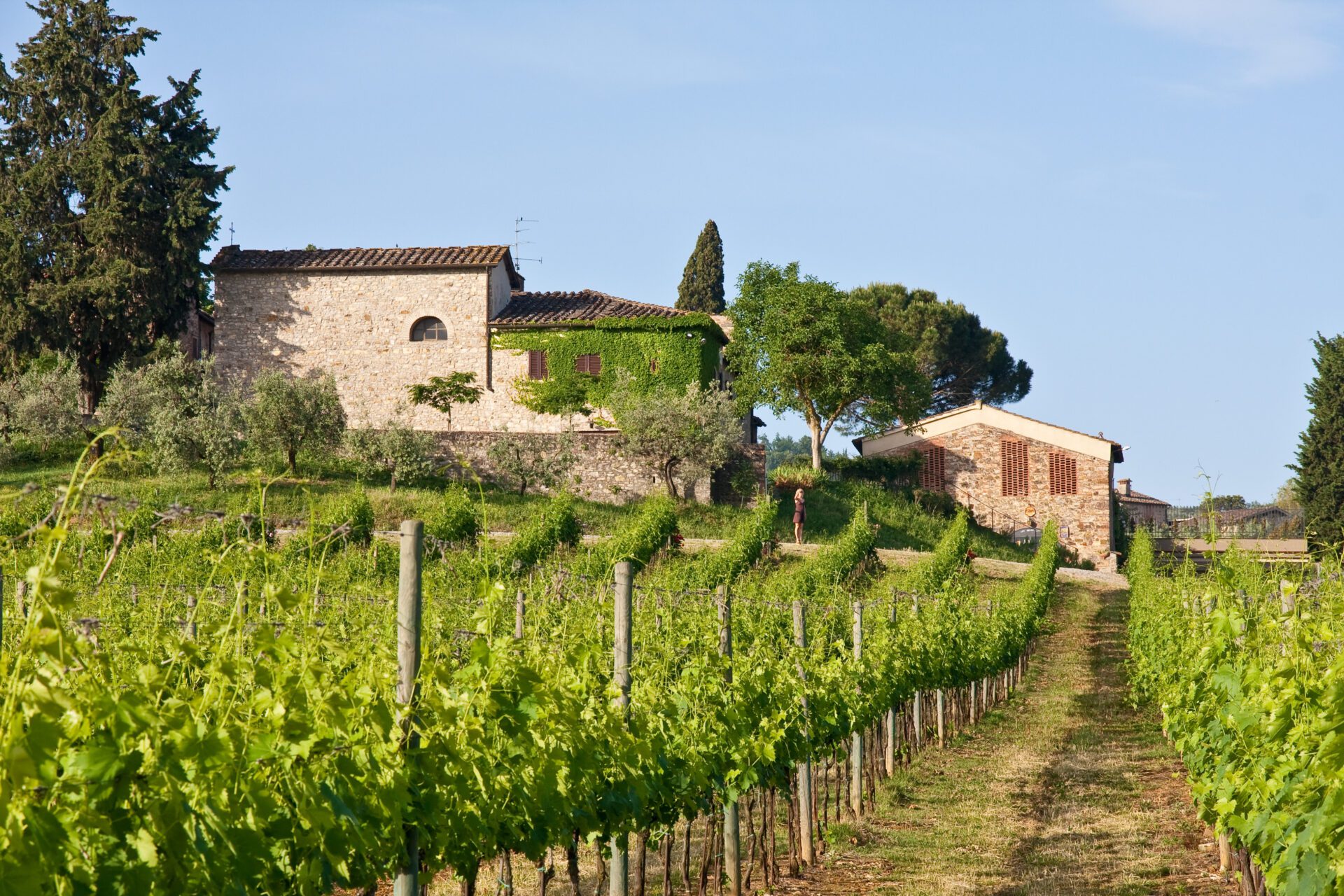
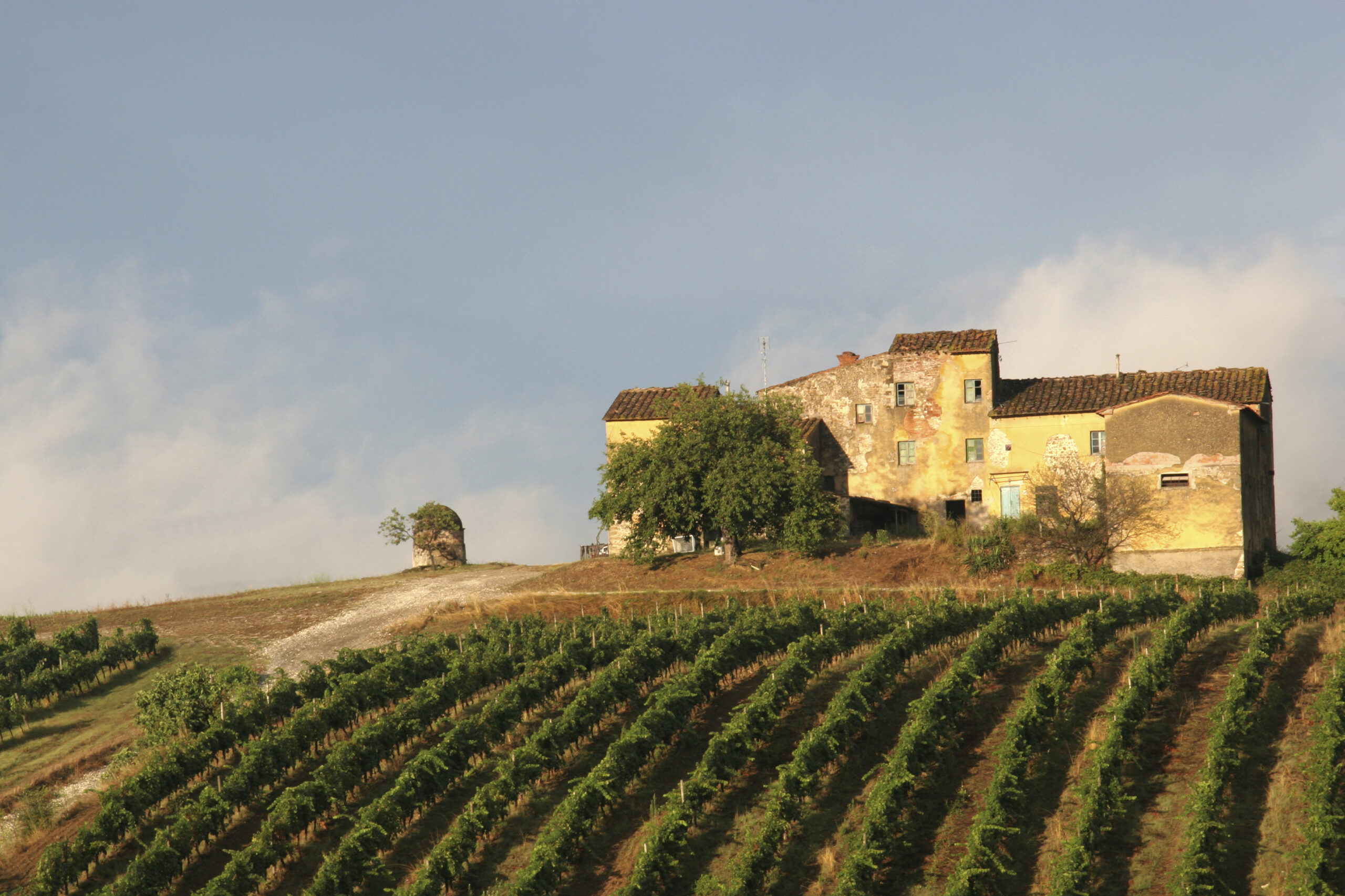
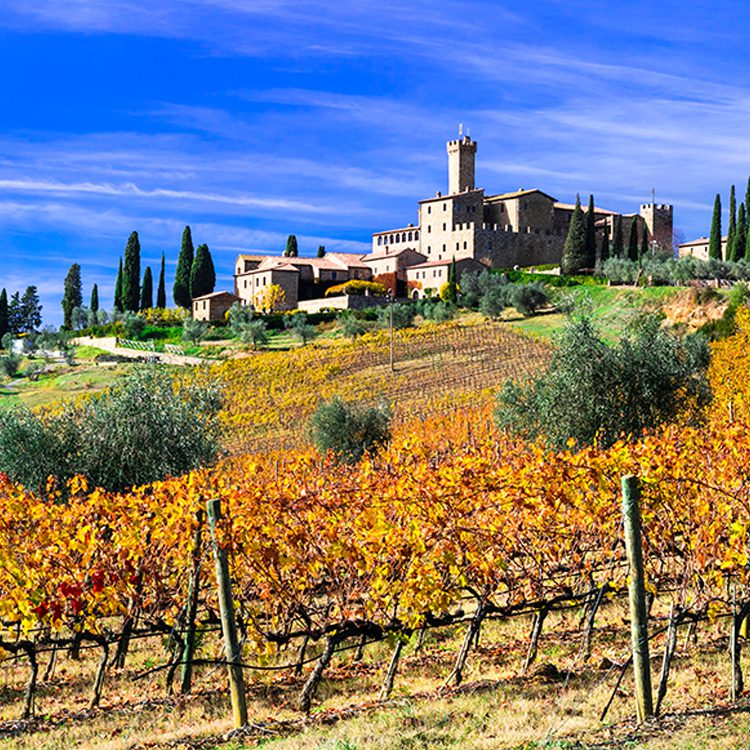
Our Italian Wine Guide explains why terroir matters everywhere in wine, but in Italy it is absolutely central. Italian wine is not built around one national style. It is built around place. Altitude, exposure, volcanic soils, limestone, clay, sand, maritime influence and mountain freshness all play a major role in how the wines taste.
That is why Nebbiolo in Piemonte tastes nothing like Nero d’Avola in Sicily, and why Garganega from Soave gives such a different expression from Vermentino in Sardinia. Even within a single region, terroir can shift the style dramatically. In Barolo, for example, commune and site make a real difference to structure, perfume and ageing potential. On Etna, altitude and lava-derived soils bring tension and mineral lift that feel completely distinct from the warmer, broader styles found elsewhere in Sicily.
This is one reason Italian labels can feel difficult at first. They often lead with the name of a place rather than a grape. Once you understand that Italy sells wine through geography, not just variety, the logic becomes far clearer.
The impact of vintage in Italy
Vintage matters in Italy because the country has such varied conditions. A cool, wet growing season in the north can produce a very different result from a hot, dry year in the south. In classic regions such as Barolo, Brunello di Montalcino and Taurasi, vintage can affect ripeness, tannin quality, acidity, ageing potential and overall style.
Cooler vintages may produce more restrained, higher-acid wines with firmer structure. Warmer vintages may give riper fruit, softer tannins and higher alcohol. In delicate or age-worthy regions, that can be crucial. It is one reason why collectors and fine-wine buyers pay close attention to vintage charts in areas such as Piemonte and Tuscany.
At everyday level, vintage usually matters less than producer and storage, but in more serious Italian wines it is an important part of the story. Italy is too climatically diverse for vintage to be treated as a minor footnote.
Italian Wine Guide: A few label terms worth knowing
Classico refers to the historic heartland of an appellation. Riserva usually indicates longer ageing. Superiore often suggests stricter production rules or slightly higher alcohol. Metodo Classico is Italy’s term for traditional-method sparkling wine, where the second fermentation happens in bottle rather than in tank.
Valle d’Aosta
At the very top of Italy sits Valle d’Aosta, the country’s smallest and most mountainous wine region. Production is tiny, vineyards are often steep and terraced, and the wines have an unmistakably Alpine character.
Reds such as Petit Rouge and Pinot Noir tend to be light to medium-bodied, fragrant and mountain-fresh. On the white side, Prié Blanc is one of the region’s most distinctive grapes, producing crisp, floral wines that feel almost weightless. Valle d’Aosta is less about fame than finesse. It introduces the northern theme of altitude, acidity and precision.
Piemonte
If Valle d’Aosta whispers, Piemonte speaks with authority. This is one of Italy’s great fine-wine regions and the home of Nebbiolo, one of the country’s noblest grapes. Nebbiolo gives us Barolo and Barbaresco, wines that can combine haunting perfume with serious tannin, high acidity and remarkable ageing potential. Rose, tar, dried cherry, truffle and spice are classic descriptors.
Barolo is traditionally the more powerful and structured of the two, while Barbaresco is often a little earlier-drinking and more immediately graceful. That said, both depend enormously on producer, site and vintage.
Piemonte is not only about Nebbiolo. Barbera is one of Italy’s great food wines, typically full of juicy red and dark fruit with bright acidity and far softer tannins than Nebbiolo. Dolcetto offers another everyday red style, generally softer, darker-fruited and pleasantly bitter on the finish. For whites, Cortese is the grape behind Gavi, while Arneis is the key variety in Roero Arneis. Moscato Bianco gives us Moscato d’Asti and Asti, and Timorasso has become one of the region’s most exciting white grapes, producing structured, age-worthy wines with real depth.
Liguria
Liguria is a narrow, dramatic strip of coastline where vineyards cling to steep slopes above the sea. It is a region that makes immediate sense once you taste the wines: saline, fragrant, brisk and shaped by maritime influence.
Vermentino is one of the stars here, often giving citrus, herbal notes and a salty edge that feels entirely at home with seafood. Pigato and Rossese also matter, the latter producing light, savoury reds that suit the region’s delicate cuisine.
Italian Wine Guide to Lombardy
Lombardy has two very different claims to fame. The first is Franciacorta, Italy’s premier traditional-method sparkling wine region. The second is Valtellina, where Nebbiolo, known locally as Chiavennasca, gives a more lifted, alpine expression than it does in Piemonte.
Franciacorta is important because it reminds people that Italian sparkling wine is not just Prosecco. Here the main grapes are Chardonnay, Pinot Nero and Pinot Bianco, and the wines are made by Metodo Classico. The best examples are fine, dry and detailed, with citrus, apple, pastry and lees complexity rather than simple fruitiness.
In Valtellina, Nebbiolo becomes lighter in body but remains perfumed and taut. Sforzato di Valtellina, made from partially dried grapes, offers a richer, more concentrated expression.
Trentino–Alto Adige
Trentino–Alto Adige is one of Italy’s most polished white-wine regions. High altitude, sharp day-to-night temperature shifts and strong Central European influence all contribute to wines of brightness, precision and aromatic clarity.
In Alto Adige particularly, grapes such as Pinot Grigio, Gewürztraminer, Sauvignon Blanc, Müller-Thurgau and Kerner perform beautifully. On the red side, Lagrein is the region’s most distinctive structured red, while Schiava offers a lighter, softer style. Pinot Noir also performs extremely well in cooler sites.
Friuli Venezia Giulia
Friuli Venezia Giulia has long been one of Italy’s reference points for high-quality white wine. It is a region of detail rather than drama, producing wines that tend to be clean, precise and quietly confident.
Important grapes include Friulano, Ribolla Gialla, Pinot Grigio and Sauvignon Blanc, and there is also a notable tradition of skin-contact and orange wines in certain areas. Reds such as Refosco matter too, but Friuli’s reputation rests most firmly on its whites.
Veneto
Veneto is one of Italy’s most important and most varied wine regions. It is home to Prosecco, Soave and the wines of Valpolicella, which means it covers a huge stylistic range from fresh sparkling aperitif wines to powerful, appassimento-based reds.
Prosecco is made primarily from Glera, not from a grape called Prosecco. That detail matters. Glera gives the wine its light apple, pear and floral character, and most Prosecco is made by the tank method, preserving freshness and fruit rather than adding bottle-aged complexity. The main quality divisions are Prosecco DOC and the more prestigious Conegliano Valdobbiadene Prosecco Superiore DOCG and Asolo Prosecco DOCG.
Veneto’s principal still white is Soave, made mainly from Garganega. Good Soave is one of Italy’s most underrated whites: citrus-led, almond-scented, fresh yet quietly textured.
Then there is Valpolicella, based on Corvina, Rondinella and historically Molinara. Basic Valpolicella is light, bright and cherry-scented. Valpolicella Superiore brings more structure. Ripasso gains extra depth by refermenting over Amarone lees, while Recioto della Valpolicella is sweet and made from dried grapes. At the summit sits Amarone della Valpolicella, a dry, powerful, full-bodied wine made using the appassimento method.
Emilia-Romagna
Emilia-Romagna is one of Italy’s great gastronomic regions, so it is no surprise that its wines make most sense with food. It is best known for Lambrusco, which, when taken seriously, is one of Italy’s most useful and enjoyable regional specialities.
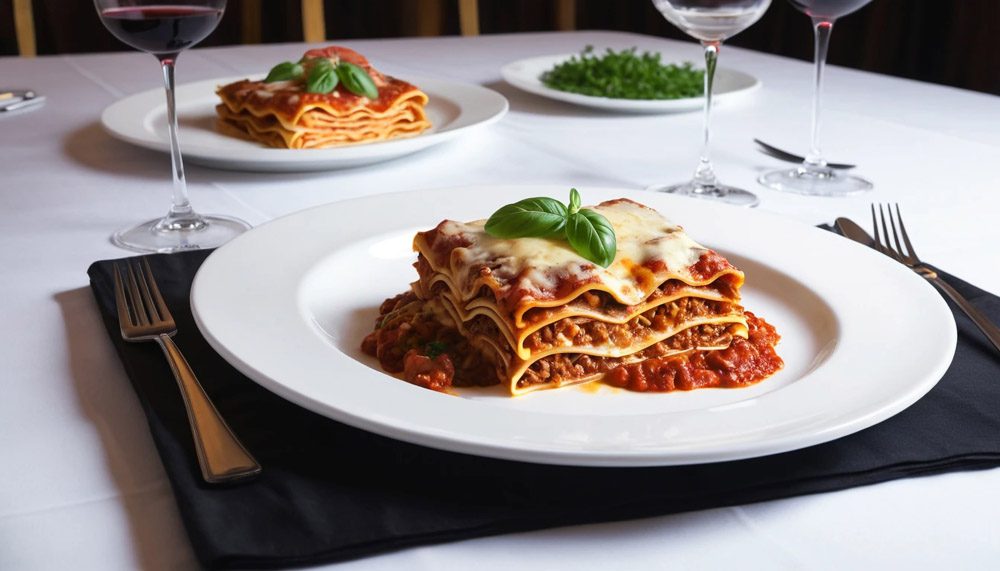
Lambrusco comes in several forms, from the lighter, fresher Lambrusco di Sorbara to deeper, more structured Grasparossa di Castelvetro and balanced Salamino di Santa Croce. Styles can be dry or off-dry, but the best modern examples have freshness, vibrant fruit and enough bitterness to work brilliantly with salty, rich foods such as mortadella, salumi and lasagne.
Italian Wne Guide to Tuscany
Tuscany remains, for many drinkers, the emotional centre of Italian wine. This is Sangiovese country, and while the grape changes character depending on site and handling, it nearly always brings some combination of sour cherry, dried herbs, savoury grip, acidity and structure.
Chianti is the broad family name, but Chianti Classico is the historic core and still the reference point. Good examples are poised rather than flashy, with bright red fruit, earth, tobacco and the kind of acidity that makes them superb with food. Brunello di Montalcino, made from 100 per cent Sangiovese Grosso, is one of Italy’s great long-lived reds, fuller and more age-worthy than most Chianti, while Vino Nobile di Montepulciano offers a more elegant, balanced expression of Sangiovese under its local name, Prugnolo Gentile.
Tuscany also gave rise to the Super Tuscans, wines that broke with traditional rules and often incorporated Bordeaux varieties such as Cabernet Sauvignon and Merlot alongside, or instead of, Sangiovese. Bolgheri became the most famous home for these wines. On the white side, Vernaccia di San Gimignano remains Tuscany’s best-known classic white.


Umbria
Landlocked Umbria often sits quietly in Tuscany’s shadow, but it has its own serious identity. Its signature red is Sagrantino, especially in Montefalco Sagrantino, where the wines are dense, powerful and notably tannic.
On the white side, Grechetto and Trebbiano Spoletino are both worth knowing. Umbria may not have the global glamour of Tuscany, but it has substance.
Marche
Moving east to the Adriatic side, Marche is one of Italy’s strongest white-wine regions. The leading grape is Verdicchio, particularly in Verdicchio dei Castelli di Jesi and Verdicchio di Matelica. Good Verdicchio combines citrus, green apple and almond notes with a saline, food-friendly finish.
Marche also deserves credit for Pecorino, a white grape of increasing importance, and for reds based on Montepulciano and Sangiovese. But Verdicchio is the region’s calling card.
Lazio
Lazio, around Rome, is often better known for history than for headline wines, yet it has several styles worth understanding. Frascati remains the best-known name, traditionally based on grapes such as Malvasia and Trebbiano, producing fresh, early-drinking whites.
There is also Cesanese, perhaps the region’s most interesting red grape. Lazio rarely dominates conversations about Italian wine, but it contributes another reminder that the country’s drinking culture is wider than the famous regions alone.
Abruzzo
Abruzzo offers one of Italy’s most reliable combinations of regional character and value. Its flagship red is Montepulciano d’Abruzzo, made from the Montepulciano grape, not to be confused with the Tuscan town of Montepulciano.
Montepulciano d’Abruzzo tends to be generous, plummy, earthy and approachable, often with softer tannins than more austere central Italian reds. Trebbiano d’Abruzzo provides fresh whites, and Pecorino has also become increasingly important in the broader Abruzzo and Marche zone.
Molise
Molise is small and often overlooked, but that is partly because it sits between stronger-known neighbours. Its wines often resemble those of Abruzzo and Campania in influence, with Montepulciano, Trebbiano and, in some areas, Aglianico playing a role.
Campania
Campania is one of southern Italy’s most thrilling regions because it combines volcanic soils, ancient varieties and serious ambition.
The leading whites are Fiano di Avellino and Greco di Tufo. Fiano can be floral, nutty and textured, sometimes developing honeyed complexity with age. Greco is usually firmer, more mineral and more tightly wound. Falanghina is another important grape, often lighter, zesty and excellent with seafood. On the red side, the great name is Aglianico, especially in Taurasi. Powerful, dark-fruited, structured and capable of long ageing, Aglianico is one of southern Italy’s most serious red grapes.
Puglia
Puglia is the heel of Italy and one of its great sources of warm-climate reds. Sun, ripeness and generosity define the region, but the best wines still carry enough freshness to avoid feeling clumsy.
The headline grape is Primitivo, especially in Primitivo di Manduria, where it gives rich, full-bodied wines with dark fruit, spice and a naturally ripe feel. Negroamaro is another major red variety, often darker, earthier and more savoury than Primitivo. Nero di Troia also deserves attention in better northern Puglian reds. On the white side, varieties such as Verdeca, Bombino Bianco and Fiano Minutolo show that Puglia is more than just a red-wine region.
Basilicata
Basilicata has one towering claim to fame: Aglianico del Vulture. Grown on volcanic slopes around Mount Vulture, Aglianico here becomes firm, intense and deeply age-worthy.
Calabria
Calabria remains one of Italy’s quieter wine regions, but it is improving steadily and has its own native identity. Gaglioppo is the leading red grape, especially in Cirò Rosso, typically giving rustic, savoury wines with Mediterranean warmth. Greco Bianco is among the whites to know.
Sicily
Italian Wine Guide Sicily – is Italy’s largest island and one of its most dynamic wine regions. For years it was associated too strongly with volume, but that picture is now far too simple. Sicily today produces everything from generous everyday reds to some of the country’s most exciting terroir-driven wines.
Nero d’Avola remains the island’s flagship red, often delivering dark cherry fruit, spice and a warm, generous palate. Frappato brings a lighter, more floral and lifted profile, and the blend of the two in Cerasuolo di Vittoria is one of Sicily’s most charming red styles. For whites, Grillo, Catarratto, Inzolia and Zibibbo all matter, while Marsala stands apart as the island’s historic fortified wine.
The most compelling Sicilian story, however, may be Etna. On the slopes of Europe’s highest active volcano, Nerello Mascalese and Nerello Cappuccio give reds of lifted red fruit, mineral tension and fine tannin, while Carricante produces one of Italy’s finest volcanic whites in Etna Bianco.
Italian Wine Guide to Sardinia
Sardinia closes the journey with wines that feel distinctly Mediterranean: sunlit, herbal and shaped by wind and sea. The leading red is Cannonau, Sardinia’s local expression of Grenache, which often gives red berry fruit, dried herbs and a warm, generous texture. Carignano del Sulcis offers darker, more robust reds. On the white side, Vermentino, especially Vermentino di Gallura, is the regional calling card, combining citrus, floral notes and saline freshness.
How to make sense of Italian wine on a label
The best way to navigate Italian wine is to connect place, grape and style. If you know that Barolo means Nebbiolo from Piemonte, Chianti Classico means Sangiovese from Tuscany, Soave means Garganega from Veneto, and Prosecco means Glera from north-east Italy, the labels become far less intimidating.
Italian Wine guide: wine and food
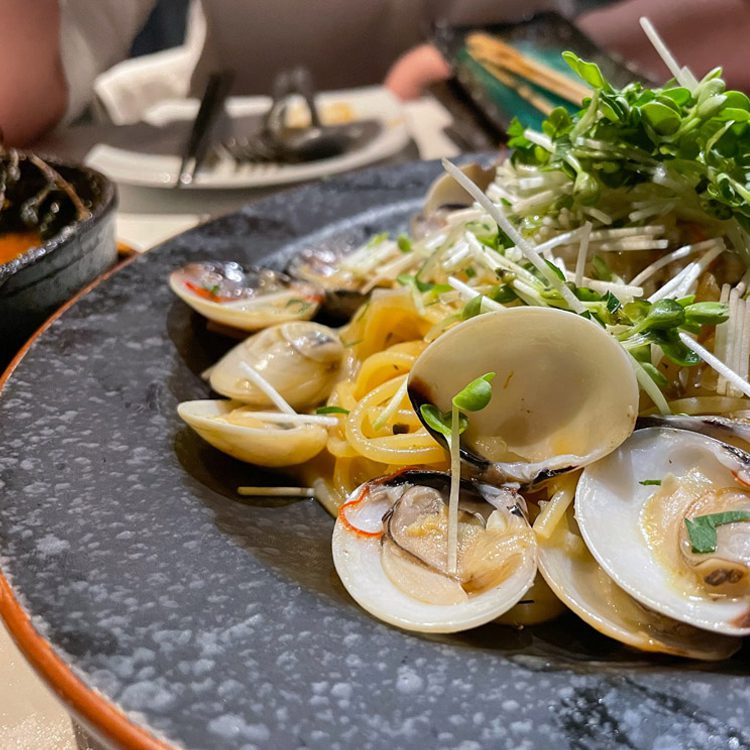
Italian wine was never designed to sit in isolation from food. That is why many of its best bottles make more sense at the table than in an abstract tasting line-up. Barolo and Barbaresco are magnificent with truffle dishes, braised meats and aged cheese. Chianti Classico comes alive with tomato-based dishes and grilled meat. Verdicchio is superb with seafood and herb-led dishes. Fiano and Greco suit shellfish and richer fish cookery. Amarone works with hearty stews and hard cheese. Lambrusco is far better with charcuterie than many people realise.
Final thoughts
Italian wine does not become easier because you simplify it too much. It becomes easier because you understand its logic. As the Italian Wine Guide demonstrates, that logic is regional. It is agricultural. It is cultural. Italy does not ask you to remember everything at once, but it does reward you for noticing the difference between Alpine and Mediterranean, volcanic and coastal, Nebbiolo and Sangiovese, Glera and Garganega. Once those pieces begin to fall into place, Italian wine stops feeling chaotic and starts feeling beautifully ordered.
That is when the real enjoyment begins.
Explore Italian wine with us
If you want to taste your way through Italy’s regions with expert guidance, join our Ultimate Italian Wine Masterclass at The London Wine Academy. A 2.5-hour guided tasting in central London, priced at £189 per person.
Why not take our Italian Wine Guide with you.